



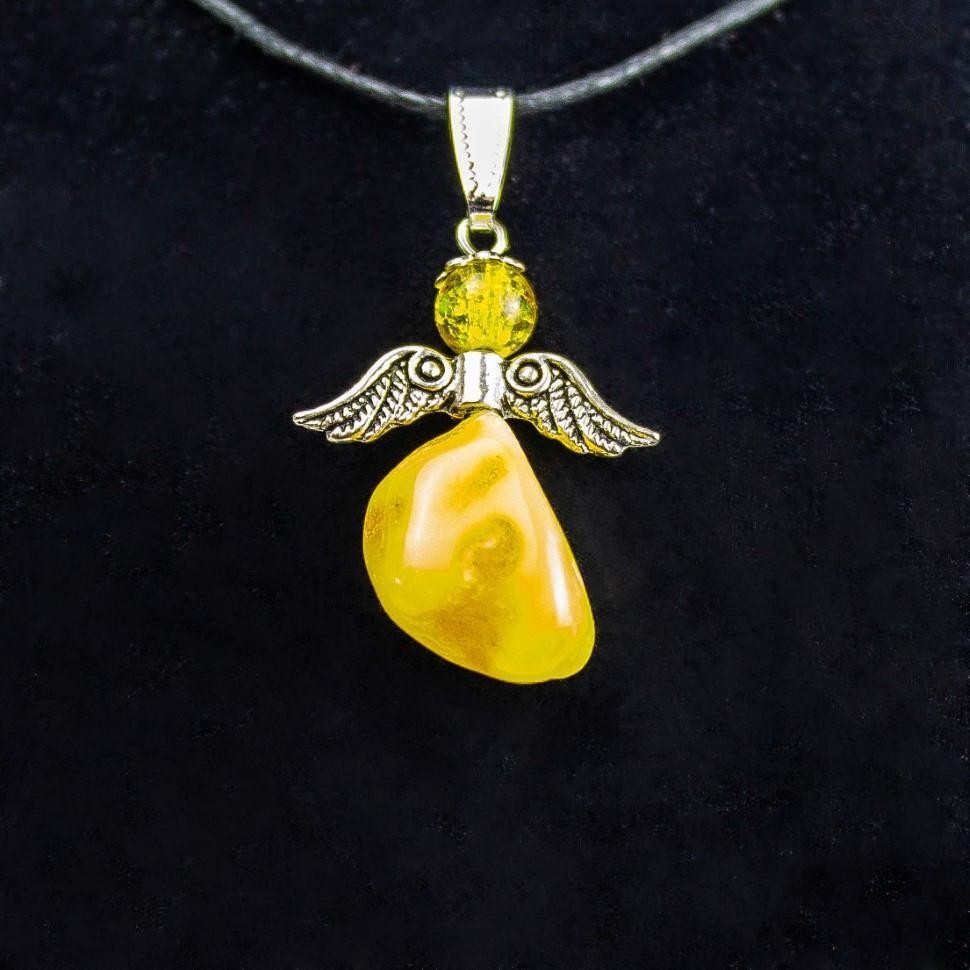
The Amber Book — Chapter 30, the final chapter
We began this book in a forest forty-four million years old. We end it at a workbench in Brooklyn, with the same material glowing under the lamp — and a simple question: what happens to amber next?
The tradition is not a museum
It would be easy to tell amber's story as a long goodbye — vanished guilds, a lost Amber Room, an old-world craft. But that is not what we see from the workbench. The craft has done what living traditions always do: it moved. From guild halls to family workshops, from Königsberg across oceans — wherever a trained hand and a raw stone meet, the tradition is fully alive. It is alive in Gdańsk and Vilnius, and it is alive on Brighton Beach Avenue, where an American workshop now carves the Baltic's stone under its own registered name.
What the new century asks
Today's collector asks questions the guilds never heard, and they are good questions. Is it genuine? — answered now by spectroscopy, by honest labeling, by makers who put their family name on every claim. Who made it, and how? — answered by workshops where buyer and maker can simply talk. Will it last? — answered by the material itself, forty-four million years into its warranty. The future of amber belongs to transparency, and we welcome it: transparency is, after all, amber's native state.
New tools, old hands
The craft keeps absorbing what serves it — better polishing compounds, laser techniques for inscriptions, a global storefront in place of a market stall — while the heart of the work refuses to automate: reading a stone, hearing the figure inside it, the long patient polish. Machines will make more things; the hand will make the ones that matter.
The unfinished book
Amber has outlived the forest that made it, the sea routes that carried it, the guilds that shaped it, and every empire that collected it — and it is still here, warm in the hand, with most of its story ahead. This book ends; the material does not.
Thank you for reading The Amber Book. All thirty chapters live here in the Amber Journal — and the tradition itself lives in our handcrafted amber jewelry, made in Brooklyn, rooted in Königsberg, glowing as always. Browse amber pendants.


