



The Amber Book — Chapter 17
Cutting a bead is craft. Carving a living creature from a lump of fossil resin — an owl mid-blink, a butterfly one heartbeat from flight — is something else. This chapter is about amber sculpture: the summit of the amber arts.
The stone decides first
An amber carver does not impose a design; he negotiates one. Every raw piece has its own geography — veins of clarity and cloud, color shifting from honey to cherry, a swirl of ancient bubbles — and the carving must follow it. A streak of white becomes a gull's wing; a dark inclusion becomes an eye. The old masters said the figure is already inside the stone; the carver's work is to hear it. Sentimental, perhaps — but every carver knows exactly what they meant.
A material with no mercy
Sculptors of marble can correct a heavy stroke. Amber forgives nothing: one careless cut and forty million years of waiting ends as dust on the bench. It is soft enough to scratch with a fingernail, brittle enough to shatter, sensitive to the heat of the tool itself. Carving it demands a surgeon's hand and a chess player's patience — planning many cuts ahead, always leaving a retreat.
What the hand can do
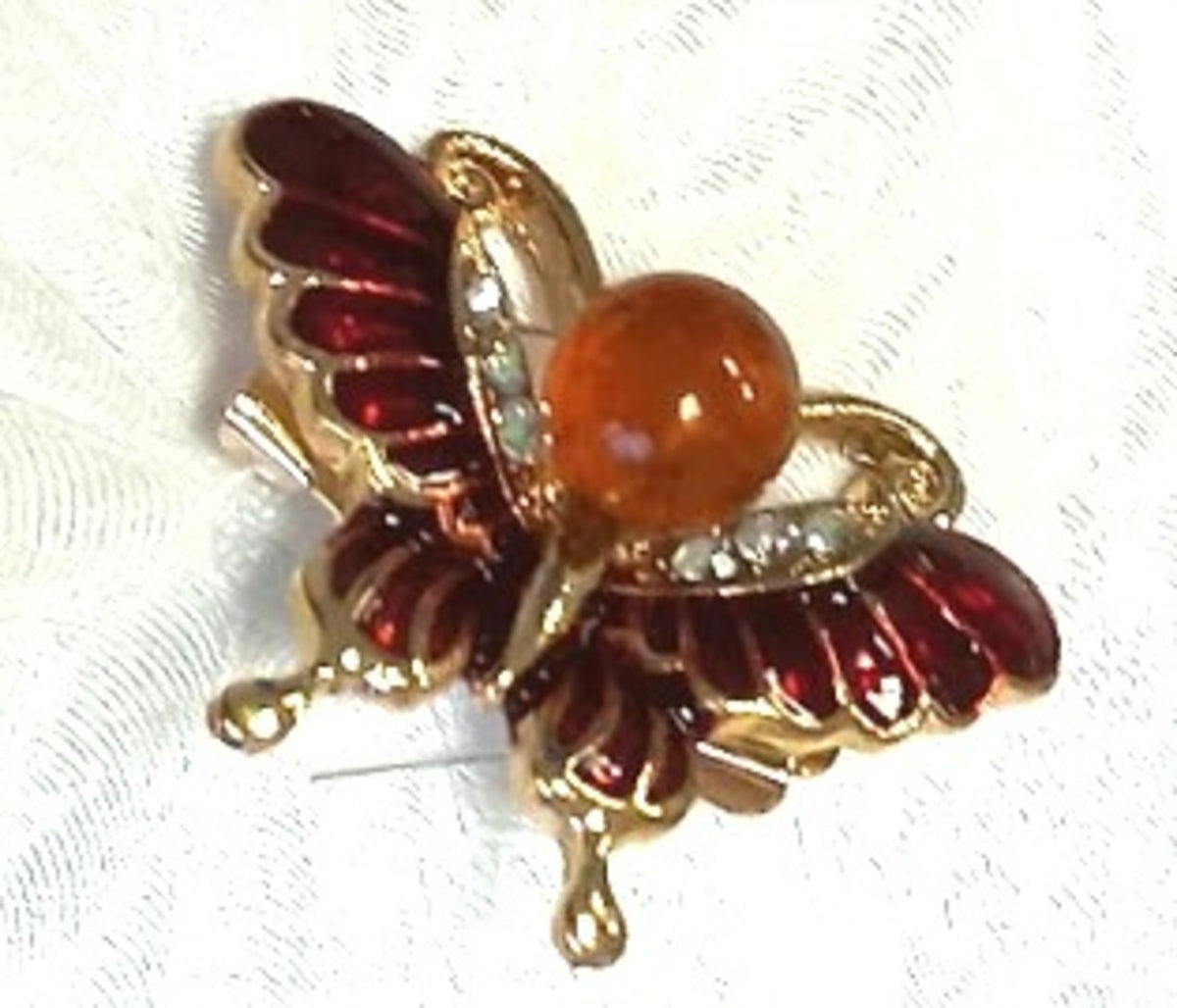
Within those dangers lives astonishing range: feathers thin enough to glow, the pleated wings of a butterfly, chess knights with flaring nostrils, saints with serene faces the size of a thumbnail. The great amber sculpture tradition — from Königsberg's altarpieces to the animal menageries of the Baltic — exists precisely because the difficulty is the point. Anyone can polish a pebble. Few can free a bird from one.
In our workshop
Sculpture is the heart of KIZIMA®. Our Brooklyn workshop carves the full bestiary — owls, cats, elephants, fish — alongside angels, saints, chess figures, and architectural miniatures of old Königsberg. Each begins as a crusted sea pebble and ends as the only one of its kind, because it grew from the geography of one particular stone. When you hold a carved KIZIMA® piece, turn it in the light and look for the decisions — they are all still there, visible, like brushstrokes.
Next chapter: amber and silver — a classic pairing.
Discover hand-carved amber sculptures and sculpted amber jewelry from our Brooklyn workshop.


